

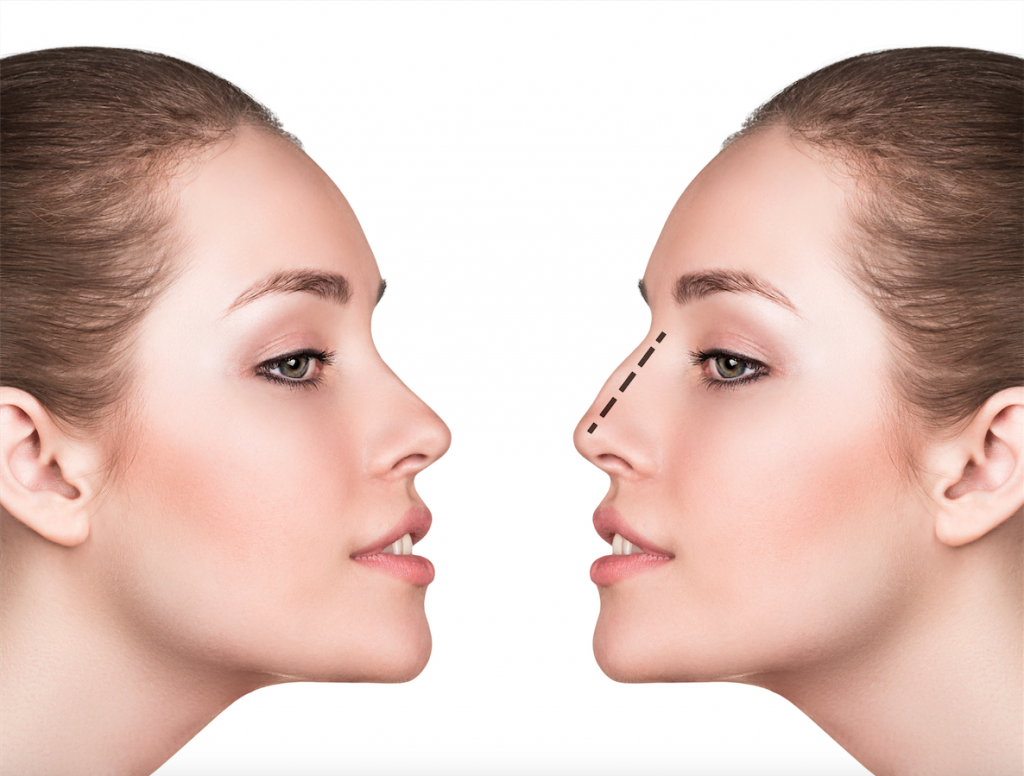
Nose Aesthetics / Rhinoplasty
Nose aesthetics is an aesthetic and functional surgical procedure performed to make the nose more harmonious with the facial features. During this procedure, the shape of the nose, the tip, the bridge, the nasal ridge, the nostrils, and overall facial balance are evaluated together.
Dr. Songül Dursun, an Otolaryngologist, plans the rhinoplasty process holistically—not only considering the external appearance but also focusing on breathing function and the internal anatomy of the nose.
What Is Rhinoplasty?
Rhinoplasty, medically known as nose surgery, is a surgical procedure performed to improve the shape of the nose and its harmony with the face. In this surgery, the nasal bridge, tip, dorsum, alar base, and overall proportions of the nose are evaluated on an individual basis.
Rhinoplasty is not performed solely for aesthetic reasons; in some patients, it may also be planned in conjunction with addressing breathing difficulties. Therefore, the goal of rhinoplasty is to achieve a natural, harmonious, and functional result.
Who Is a Candidate for Rhinoplasty?
Rhinoplasty may be suitable for individuals who are dissatisfied with the appearance of their nose or who wish to achieve a more balanced nose shape in harmony with their facial features. Eligibility is determined following a detailed examination.
- Those bothered by a prominent nasal bridge
- Patients with a drooping or wide nasal tip
- Individuals with a deviated nose
- Those experiencing asymmetry in the nostrils
- Those desiring a nose appearance more harmonious with their facial features
- Patients who wish to have their nasal function evaluated alongside rhinoplasty
What Issues Can Rhinoplasty Correct?
Rhinoplasty can help correct various aesthetic and functional issues depending on the patient’s nasal structure. Surgical planning is tailored specifically to the individual’s facial proportions and nasal anatomy.
- Nasal bridge
- Drooping nasal tip
- Wide nasal tip
- Nasal deviation
- Irregularities in the nasal bridge
- Asymmetry in the nostrils
- Width of the nasal wings
- Breathing difficulties
Why Is a Natural Appearance Important in Rhinoplasty?
One of the most important goals in rhinoplasty is ensuring the nose harmonizes with the face’s overall expression. Rather than applying the same nose shape to every patient, the individual’s facial structure, skin thickness, nasal anatomy, and expectations must be evaluated together.
A natural result is achieved not by the nose looking beautiful on its own, but by ensuring the entire face appears balanced. For this reason, a personalized approach is of great importance in rhinoplasty planning.
What Is the Difference Between Rhinoplasty and Septorhinoplasty?
Rhinoplasty generally focuses on shaping the external appearance of the nose. Septorhinoplasty, on the other hand, is a more comprehensive surgical approach that addresses both aesthetic concerns and issues such as a deviated septum and breathing difficulties within the nose.
If the patient has only aesthetic expectations, rhinoplasty may be sufficient. However, if there is nasal congestion, a deviated septum, or breathing difficulties, planning for septorhinoplasty may be more appropriate.
How Is the Surgical Process Planned?
During the initial consultation, the patient’s nasal structure, facial proportions, skin thickness, nasal tip, nasal bridge, breathing status, and aesthetic expectations are evaluated together. Based on this evaluation, a personalized surgical plan is created.
Dr. Songül Dursun, as an ENT specialist, takes into account the internal nasal airways, septum structure, and breathing function when planning rhinoplasty.
How Is Rhinoplasty Performed?
Rhinoplasty is typically performed under general anesthesia. During the procedure, the nasal bones, cartilage structures, nasal tip, and nasal bridge are reshaped according to the patient’s needs.
The procedure can be performed using either an open or closed technique. The choice of method depends on the patient’s nasal anatomy, the procedures to be performed, and the surgical plan.
What Are Open and Closed Rhinoplasty?
Open rhinoplasty is a technique performed through a small incision at the base of the nasal tip, providing the surgeon with a wider field of view. It is particularly suitable for noses requiring more detailed sculpting.
In closed rhinoplasty, incisions are made inside the nose, leaving no visible scarring on the outside. The appropriate technique is determined by evaluating the patient’s nasal structure and surgical needs.
Recovery Process After Rhinoplasty
In the first few days following rhinoplasty, swelling, mild bruising, edema, and a sensation of fullness in the nose may occur. This is the natural healing period expected after rhinoplasty surgery.
Most of the swelling subsides within the first few weeks. However, the nose takes its final shape over time. It may take several months for the nasal tip and subcutaneous tissues to fully settle.
What Should Be Considered After Rhinoplasty?
- Rest with your head elevated during the first few days.
- Avoid any impact to the nose.
- Take the medications prescribed by your doctor regularly.
- Follow-up appointments should not be missed.
- You should avoid strenuous sports and exercise for a while.
- You should follow the doctor’s advice regarding the use of glasses.
- You should pay attention to the nose care instructions.
Why Dr. Songül Dursun?
Rhinoplasty is a specialized surgical procedure that requires both an aesthetic perspective and a proper evaluation of nasal anatomy. As an ENT specialist, Dr. Songül Dursun comprehensively addresses nasal structure, breathing function, and facial proportions.
The goal is to create a nasal structure that looks natural, harmonizes with the face, does not alter the individual’s facial expression, and supports healthy breathing.
Frequently Asked Questions About Rhinoplasty
Who is a candidate for rhinoplasty?
It is suitable for patients who are dissatisfied with the appearance of their nose, wish to make the nose shape more harmonious with their facial features, and are in good enough general health to undergo surgery.
Does rhinoplasty improve breathing?
If there is a deviated septum or other issues affecting airflow inside the nose, functional corrections can also be included in the surgical plan.
Will there be any scarring after rhinoplasty?
It depends on the technique used. With the closed technique, there are no external incisions visible from the outside. With the open technique, there may be a small incision under the nose, and this scar loses much of its visibility over time.
Is rhinoplasty a painful procedure?
It is generally not as painful as people think. After surgery, you may experience pressure, fullness, swelling, and mild sensitivity in the nose.
When do the results of rhinoplasty become final?
The first changes are visible within a few weeks. However, the nose’s final shape settles gradually over months, particularly as swelling at the tip of the nose subsides.
Get Information on Rhinoplasty
To receive detailed information about rhinoplasty and to schedule a personalized evaluation based on your nasal structure, you can contact the Clinic of Dr. Songül Dursun.
Are you in a hurry?
Is there an urgency? You can communicate faster by clicking the whatsapp button below.