
Revision Rhinoplasty
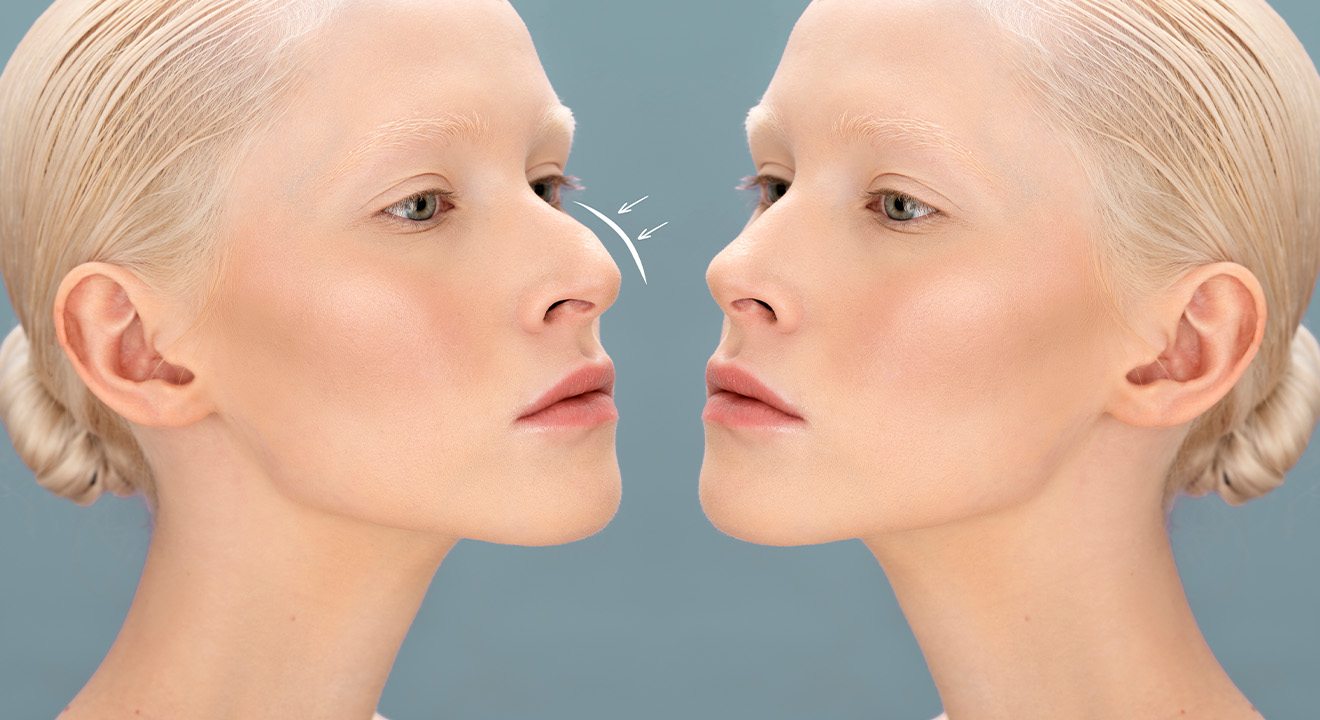
Revision rhinoplasty is a second nose surgery aimed at re-evaluating and correcting aesthetic or functional issues in patients who have previously undergone nose surgery. This procedure may be planned for patients who are dissatisfied with the shape of their nose following the initial surgery or who continue to experience breathing difficulties.
Dr. Songül Dursun, an Otolaryngologist, thoroughly evaluates the revision rhinoplasty process in accordance with nasal anatomy, breathing function, and the patient’s expectations.
What Is Revision Rhinoplasty?
Revision rhinoplasty is a surgical procedure performed to correct shape abnormalities, asymmetry, tip issues, or breathing problems that arise in patients who have previously undergone rhinoplasty or septorhinoplasty.
It requires more precise planning than the initial surgery. This is because the nasal tissues may have been previously altered, and the cartilage, bone, skin, and internal nasal structures must be thoroughly evaluated.
Who Is a Candidate for Revision Rhinoplasty?
Revision rhinoplasty may be suitable for patients whose aesthetic or functional expectations were not fully met following a previous nose surgery.
- Patients who have previously undergone rhinoplasty
- Those dissatisfied with the shape of their nose
- Those experiencing a drooping nasal tip or asymmetry
- Those with a depressed nasal bridge, a hump, or irregularities
- Patients with uneven nostrils
- Those who continue to have breathing difficulties after the initial surgery
- Those experiencing nasal deformity following trauma
What Issues Can Revision Rhinoplasty Correct?
Revision rhinoplasty can help correct various aesthetic and functional issues that have arisen or persisted following a previous surgery.
- A drooping nasal tip
- Asymmetry of the nasal tip
- Depression or irregularities on the nasal bridge
- Persistent nasal hump
- Asymmetry of the nostrils
- Nasal deviation
- Difficulty breathing
- Unnatural appearance following the initial surgery
Is Revision Rhinoplasty Different from the Initial Surgery?
Yes. Revision rhinoplasty requires a more detailed and precise surgical plan compared to the initial nose surgery. This is because the nasal tissues may have been previously operated on, and the existing cartilage support may have diminished.
For this reason, in revision surgeries, the internal nasal structure, nasal function, skin quality, and changes resulting from the previous surgery must be evaluated together.
When Should Revision Rhinoplasty Be Performed?
For revision rhinoplasty, it is generally recommended to wait until the recovery process following the initial surgery is complete. It may take time for swelling in the nose to subside, for tissues to settle, and for the final shape to become more clearly visible.
For this reason, revision planning is typically done after a certain period has passed since the initial surgery in most patients. The appropriate timing is determined based on the patient’s nasal structure and complaints following an examination.
How Is the Surgical Process Planned?
During the initial evaluation, the patient’s surgical history, current nasal structure, breathing function, and expectations are thoroughly examined. An internal nasal examination assesses the septum, turbinates, and airway structures.
Dr. Songül Dursun, an ENT specialist, plans the revision process holistically—not only from an aesthetic perspective but also considering nasal function.
How Is Revision Rhinoplasty Performed?
Revision rhinoplasty is typically performed under general anesthesia. During the surgery, structural issues resulting from the previous surgery are addressed, and the nose is reshaped.
In some patients, cartilage may be needed to strengthen the nasal support. The technique and surgical plan are customized based on the patient’s current nasal structure.
Recovery Process After Revision Rhinoplasty
In the first few days following revision rhinoplasty, swelling, bruising, edema, and a sensation of fullness in the nose may occur. Since the patient has previously undergone surgery, the recovery process may take slightly longer than after the initial surgery.
It takes time for the nose to fully settle into its new shape. In particular, the reduction of swelling in the nasal tip and subcutaneous tissue occurs gradually over several months.
What Should Be Considered After Revision Rhinoplasty?
- Rest with your head elevated during the first few days.
- You must absolutely avoid any impact to the nose.
- Medications prescribed by the doctor should be taken regularly.
- Follow-up appointments should not be missed.
- You should avoid strenuous exercise for a while.
- Follow the doctor’s advice regarding the use of glasses.
- Be patient during the healing process.
Why Choose Dr. Songül Dursun?
Revision rhinoplasty is a delicate surgical procedure that requires a detailed evaluation of nasal anatomy. Thanks to her expertise in Otolaryngology, Dr. Songül Dursun addresses the internal structures of the nose, nasal function, and aesthetic expectations together.
The goal is to achieve a nasal structure that is more natural, harmonious with the face, and supports nasal function.
Frequently Asked Questions About Revision Rhinoplasty
Who is a candidate for revision rhinoplasty?
It is suitable for patients who have previously undergone nose surgery but continue to experience issues regarding aesthetic appearance or breathing.
Is revision rhinoplasty a difficult surgery?
It requires more precise and detailed planning compared to the initial nose surgery. This is because the nasal tissues may have been previously altered.
When should revision rhinoplasty be performed?
Generally, it is recommended to wait until the nasal tissues have healed and swelling has subsided after the initial surgery. The appropriate timing is determined following an examination.
Is cartilage needed in revision rhinoplasty?
In some patients, cartilage may be needed to strengthen the nasal structure. This is evaluated based on the patient’s current nasal anatomy.
How long does recovery take after revision rhinoplasty?
Initial healing is visible within a few weeks. However, it may take longer for the nose to achieve its final shape and for swelling to completely subside.
Get Information on Revision Rhinoplasty
To receive detailed information about revision rhinoplasty and to schedule a personalized evaluation of your nasal structure, please contact the Clinic of Dr. Songül Dursun.
Are you in a hurry?
Is there an urgency? You can communicate faster by clicking the whatsapp button below.