
Septorhinoplasty
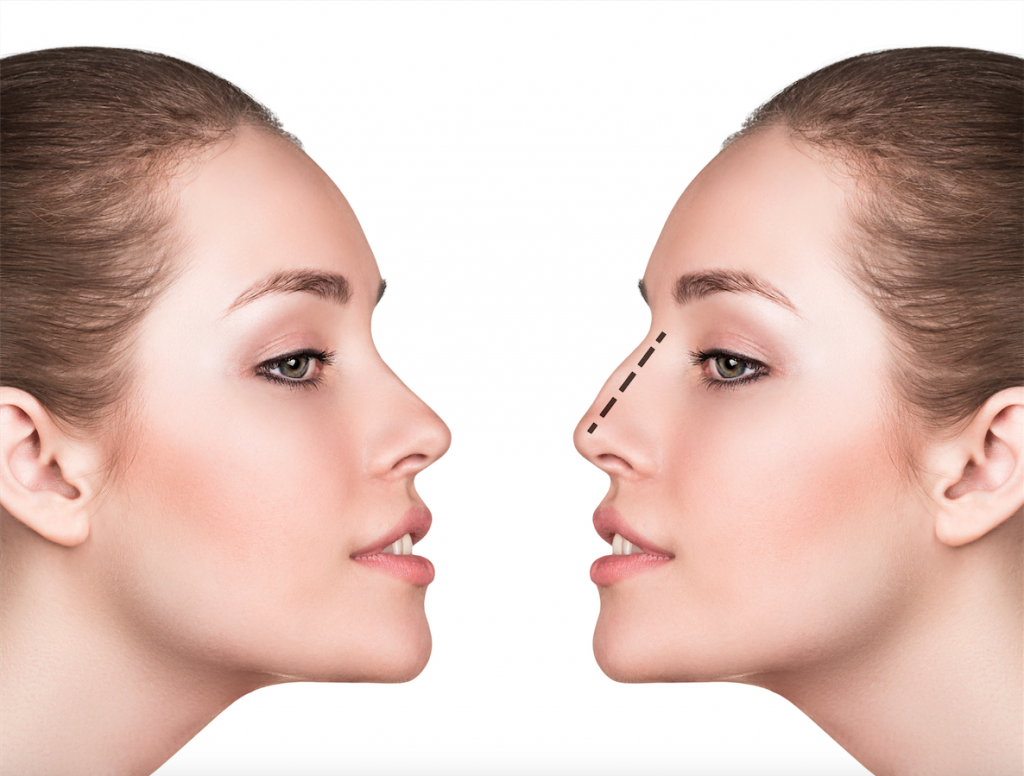
Septorhinoplasty is a surgical procedure that addresses both aesthetic concerns and breathing issues in a single operation. During this procedure, the deviated nasal septum is corrected, and the external appearance of the nose can be reshaped to harmonize with facial features.
Dr. Songül Dursun, an Otolaryngologist, evaluates the septorhinoplasty process holistically, considering both aesthetic appearance and nasal function.
What Is Septorinoplasty?
Septorinoplasty is a nasal surgery that combines rhinoplasty and septoplasty procedures. In this procedure, not only the external shape of the nose but also the internal nasal passages are evaluated.
Issues such as a crooked nose, a hump, a drooping nasal tip, asymmetry, nasal congestion, or a deviated septum can be addressed within the same surgical plan.
Who Is a Candidate for Septorinoplasty?
Septorinoplasty is a suitable surgical option for individuals who are both dissatisfied with the appearance of their nose and experience breathing difficulties through the nose.
- Those who are aesthetically dissatisfied with the shape of their nose
- Those experiencing nasal congestion
- Those with a deviated septum
- Those with a crooked or asymmetrical nose
- Patients who have previously experienced a nasal trauma or fracture
- Those seeking both aesthetic and functional improvement
What Issues Can Septorhinoplasty Correct?
Septorhinoplasty can help correct various issues affecting both the external structure and internal function of the nose.
- Nasal bridge
- Drooping nasal tip
- Nasal deviation
- Asymmetry of the nostrils
- Deviated septum
- Difficulty breathing
- Traumatic deformities
- Intranasal airflow problems
What Is the Difference Between Septorhinoplasty and Rhinoplasty?
Rhinoplasty is an aesthetic nose surgery that primarily focuses on shaping the nose’s external appearance. Septorhinoplasty, however, is a more comprehensive surgical approach that addresses both aesthetic appearance and breathing issues within the nose.
For this reason, septorhinoplasty may be a more suitable option for patients experiencing nasal congestion, a deviated septum, or functional issues.
How Is the Surgical Process Planned?
During the initial consultation, the patient’s nasal structure, facial proportions, breathing function, and expectations are evaluated together. If necessary, an internal nasal examination, endoscopic evaluation, or imaging methods may be utilized.
Dr. Songül Dursun, an ENT specialist, plans nasal aesthetics holistically—not only from the perspective of external appearance but also in terms of breathing function.
How Is Septorhinoplasty Performed?
Septorhinoplasty is typically performed under general anesthesia. During the surgery, the deviated nasal septum is corrected, structures obstructing airflow are addressed, and the external shape of the nose is reshaped to harmonize with facial contours.
The surgical plan may be executed using either an open or closed technique, depending on the individual’s nasal anatomy.
What Is the Recovery Process Like?
In the first few days after surgery, swelling, mild bruising, edema, and a sensation of fullness may be observed in the nose. This is a natural part of the healing process.
It is usually possible to return to daily life within a few days. However, it takes time for the nose to settle into its final shape. While most of the swelling subsides within the first few weeks, it may take several months for the nose’s shape to become fully defined.
What Should Be Considered After Septorhinoplasty?
- Rest with your head elevated during the first few days.
- Avoid any impact to the nose.
- Take the medications prescribed by your doctor regularly.
- Follow-up appointments should not be missed.
- Strenuous exercise should be avoided for a while.
- Follow the doctor’s advice regarding the use of glasses.
Why Choose Dr. Songül Dursun?
Septorinoplasty is a specialized nasal surgery that requires both aesthetic and functional evaluation. Thanks to her expertise in Otolaryngology, Dr. Songül Dursun evaluates the internal nasal structures, breathing function, and aesthetic expectations together.
The goal is to achieve a nasal structure that looks natural, harmonizes with the face, and supports healthy breathing.
Frequently Asked Questions About Septorhinoplasty
Is septorhinoplasty a painful procedure?
It is generally not as painful as people might think. After the surgery, you may experience mild pressure, a feeling of fullness, and swelling.
Does septorhinoplasty improve breathing?
If there is a deviated septum or other issues affecting airflow inside the nose, the surgery can help improve breathing function.
Does septorhinoplasty leave a scar?
It depends on the technique used. With the open technique, there may be a small incision under the nose. This scar loses much of its visibility over time.
How long does septorhinoplasty take?
The duration of the procedure varies depending on the individual’s nasal structure and the specific procedures to be performed. It typically lasts a few hours.
When can you return to work after septorhinoplasty?
Most patients can return to their social lives within a few days to a week. However, this timeframe may vary depending on the individual’s healing rate.
Get Information on Septorhinoplasty
For detailed information on septorhinoplasty and a personalized assessment of your nasal structure, please contact Dr. Songül Dursun’s Clinic.
Are you in a hurry?
Is there an urgency? You can communicate faster by clicking the whatsapp button below.